Soils and layers
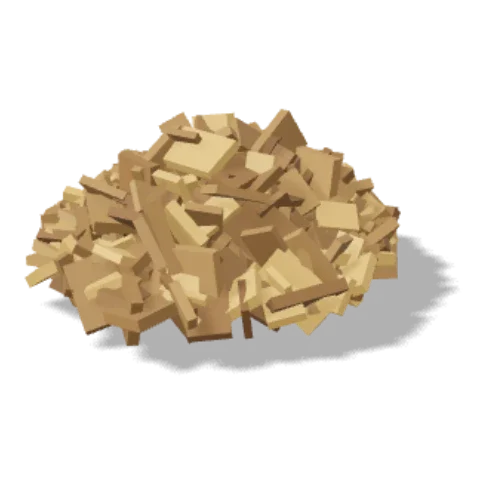
Leaf litter
Dry leaves on top. Food and shelter for the cleanup crew.
What the simulation uses
- Holds water
- 35 % by volume
- Water it keeps after draining; the rest runs down to the drainage.
- Pore space
- 94 % by volume
- Room for air and water between grains; low means roots suffocate when wet.
- Weight
- 37.5 g/L
- How heavy a litre is.
- pH
- 4.5 to 6.5 pH
- How acid it keeps the soil.
- Mould risk
- medium
- How much fresh food it gives white mould; high-risk soils fuzz over in the first weeks.
- Breaks down in
- 0.3 to 2 years
- How long it lasts before rotting down to fine soil.
- Nutrients
- medium
- Plant food it brings.
- Presses down to
- 40 % of its loose depth
- How far pressing can pack it, keeping its weight.
Description
Dead leaves on the surface slowly rot down, returning nutrients and releasing tannins that make the soil a little more acid. Fresh leaves may grow a brief mould bloom. Top it up as it disappears, anywhere from a few months to two years.
Also called dried leaves, magnolia leaves, oak leaves, catappa leaves.
Estimated, where sources were thin: bulk density and k decay constant under vivarium conditions estimated.